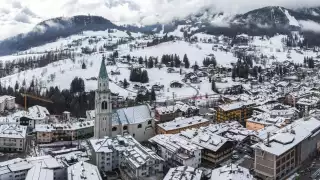
Scenes of the Amalfi Coast — turquoise waters, speeding boats, pastel-hued hillsides — may dominate our feeds come summer, but Italy is every bit as enchanting in winter. This year, the Milano Cortina 2026 Winter Olympics will transform Northern Italy into a bucket-list adventure disguised as an elite sporting spectacle, serving up world-class competition alongside endless opportunities for sightseeing and mouth-watering dining.
Spanning Lombardy, Veneto and the autonomous provinces of Trentino and South Tyrol, these will be the most geographically expansive Winter Games in history. Think of it as a choose-your-own Italian escape, with culture-packed cities, storybook alpine forests and serene thermal towns to sample.
Team Canada will be just as scattered — with hockey in Milan, biathlon in South Tyrol, and a grand finale at Verona Arena, marking the first Olympic Closing Ceremony ever held at a UNESCO World Heritage site.
Sure, for most of us, ski safaris, Valpolicella tastings and dawn-lit Dolomite peaks are but a dream. But if you are plotting a winter getaway, here’s your traveller’s guide to every Olympic region — with the best thing to eat, drink and do in each one.
Your Regional Guide to the Olympics Italy
Milan
Olympic vibe:
The fashion capital will host figure skating, short-track, ice hockey and part of the Opening Ceremony — making it the perfect marriage of sport and style.
EAT
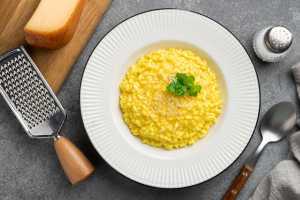
Lombardy’s cuisine is famously rich, comforting and elegant — and nowhere is that more apparent than in Risotto alla Milanese, the city's iconic saffron-stained dish. Golden, creamy and deeply aromatic, it turns a few simple ingredients into something indulgent, and is often served with cheese and bone marrow for an extra flavour bomb.
DRINK
A Negroni Sbagliato — Italian for the "wrong" negroni — switches out gin for sparkling wine for a bubbly version of the cocktail. Or try a glass of Franciacorta, a classic sparkling wine from Lombardy made in the traditional method using primarily chardonnay and pinot noir grapes.
DO
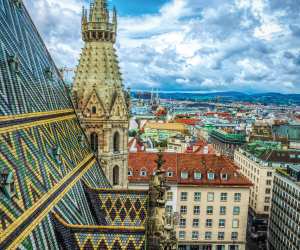
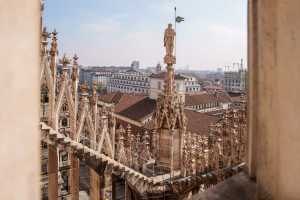
Climb up the Duomo rooftop for panoramic views of the city and a close-up look at its Gothic architecture. Then wander the Fondazione Prada, a museum where art, architecture and fashion intersect. Finish the day with a rooftop aperitivo, as the city shifts into evening and the Milan lights shimmer.
Verona
Olympic vibe:
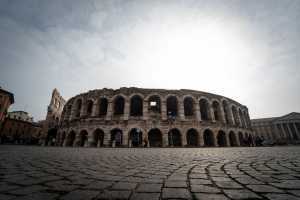
The Closing Ceremony will unfold inside the ancient Arena di Verona, a breathtaking Roman amphitheatre turned Olympic stage.
EAT
Verona's signature, the Amarone risotto, is a rich and savoury slow-cooked dish made using some of the region's finest ingredients. Vialone Nano rice, Monte Veronese cheese, and Amarone wine give the risotto all'Amarone its distinct colour and deep and velvety flavour.
DRINK
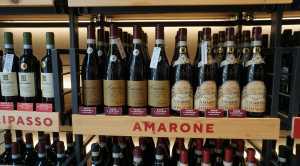
Enjoy a glass of Valpolicella in a wine bar tucked off Piazza delle Erbe, Verona's famous market square. The dry, red wine is primarily made from the corvina grape, with its style ranging from light and fresh to full-bodied and rich.
DO
Catch an opera in the Arena, a Roman amphitheatre located in the historic centre. Then get lost in Verona’s marble-toned lanes and balconies.
Cortina d’Ampezzo
Olympic vibe:
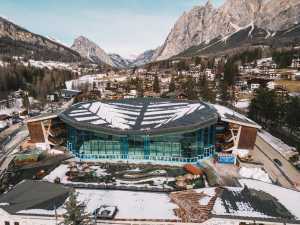
Host to alpine skiing, bobsleigh, luge, skeleton and curling — and still glowing from its historic 1956 Games.
EAT
Cortina’s signature casunzièi are half-moon ravioli filled with sweet red beet and topped with a generous drizzle of brown butter and grated cheese. This traditional Ampezzo dish captures the warmth and comfort of Alpine cooking, balancing gentle sweetness with rich, nutty depth — perfect after a day spent in the snow-covered mountains.
DRINK
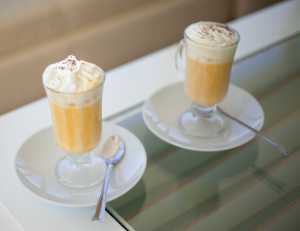
No visit to Cortina is complete without a Bombardino, the region’s beloved winter warmer. Made from egg liqueur and brandy, heated until steaming and finished with a crown of whipped cream, it’s a cozy, indulgent drink and local ritual designed for sunny mountain terraces
DO
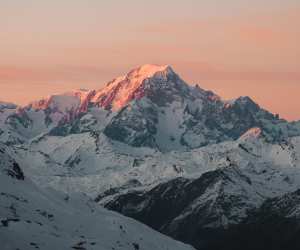
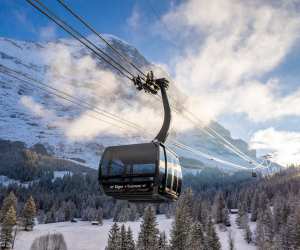
Take an early-morning gondola ride to watch the Dolomites ignite in soft pink alpenglow. Later, wander through Cortina’s historic centre and trace a vintage-inspired “1956 Olympic photo walk,” visiting iconic viewpoints and reliving the charm of Italy’s original Winter Games host.
Val di Fiemme (Tesero & Predazzo)
Olympic vibe:
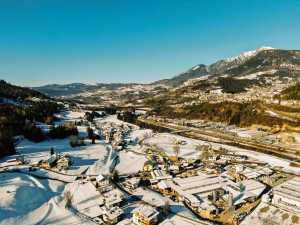
Val di Fiemme is the Nordic engine room of the Games, with cross-country skiing, ski jumping and more unfolding in Tesero and Predazzo, two villages that have long hosted the sport’s premier World Cup competitions.
EAT
Tuck into a platter of Trentino alpine cheeses — a mix of smoked, nutty and sharp varieties that capture the mountain character of the region. Often served with local honey or rustic bread, these cheeses reflect Trentino’s long tradition of high-altitude dairy-making and offer a taste of the Dolomites.
DRINK
Sip a local amaro, a regional specialty crafted from alpine herbs, roots and botanicals. Trentino’s mountain villages are known for producing some of Italy’s most aromatic amaros, each one capturing the character of the surrounding forests.
DO
Wander through the Paneveggio Forest, a serene stretch of Dolomite wilderness known for its resonant red firs — the prized tonewood favoured by violin-makers since the days of Stradivarius. Or explore the Latemar alpine trails, where well-marked paths lead through quiet forests and up to panoramic viewpoints framed by the jagged limestone towers.
Bormio
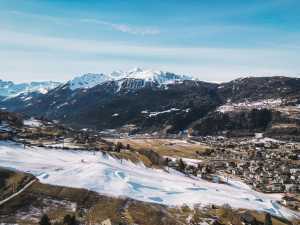
Olympic vibe:
The men’s Alpine events thunder down the legendary Stelvio downhill track, one of the most demanding courses in winter sports.
EAT
Warm up from the inside out with a bowl of pizzoccheri. Bormio's soothing buckwheat pasta, cut into small ribbons, is combined with cabbage, potatoes and a general helping of local cheese and butter. Rustic and deeply comforting, it feels like a dish that's tailor-made for snowy mountain evenings.
DRINK
Braulio is a distinctive regional alpine amaro aged in oak barrels in ancient cellars. Earthy and aromatic, it's the Valtellina valley in a glass.
DO
Unwind after a long day skiing (or watching athletes skiing) in Bormio’s historic thermal baths. Or book the rare 3000-metre Sunrise Ski from Cima Bianca to carve out the first tracks as the sun rises.
Livigno
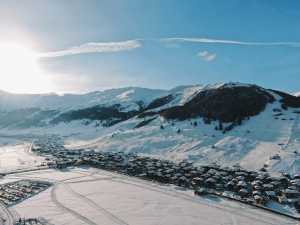
Olympic vibe:
Livigno will host freestyle skiing and snowboarding events — including slopestyle, big air, halfpipe and snowboard cross — creating a vibe of the athlete’s ultimate playground.
EAT
Enjoy slow-cooked Alpine stews, hearty mountain dishes, and local specialties such as bresaola — the region’s famed air-dried beef — that pairs beautifully with rustic bread and sharp mountain cheeses.
DRINK
Kafè, a micro-roastery in the Livigno region, is considered Italy's highest artisanal coffee roastery. Savour single-origin creations and unique blends from this charming spot in a scenic town in the Italian Alps.
DO
Spend your days playing in the massive snow parks, browsing the village’s duty-free shops, and wandering through the valley where the sound of historic cowbells echoes through the landscape. Plus, Livigno’s Al Mond Vei will transform into Canada House — moose head included — offering a welcoming home base for both fans and athletes throughout the Games.
South Tyrol – Anterselva / Antholz
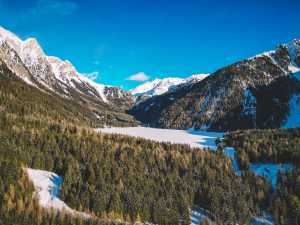
Olympic vibe:
Biathlon reaches new heights in Anterselva, where athletes compete against a backdrop of spruce forests, frozen lakes and some of the most scenic tracks in Europe.
EAT
Savour traditional South Tyrolean comfort food, including Knödel dumplings — hearty bread-based dumplings made with speck, spinach or cheese. They’re a cornerstone of Alpine cuisine, shaped by centuries of mountain living, and are typically served in rich broth or alongside butter and local cheeses. Finish with warm, freshly baked apple strudel that feels tailor-made for chilly winter days.
DRINK
Sip a glass of Lagrein, South Tyrol’s signature velvety red wine. This ancient Alpine grape, first documented in the region as early as the 1300s, is cherished for its deep colour, silky tannins, and the way it reflects the unique microclimates of the Dolomites.
DO
Embark on a Dolomites ski safari, travelling rifugio to rifugio with seamless luggage transfers, and then unwind in a panoramic alpine spa where steams, saunas, and mountain views help you recharge completely.